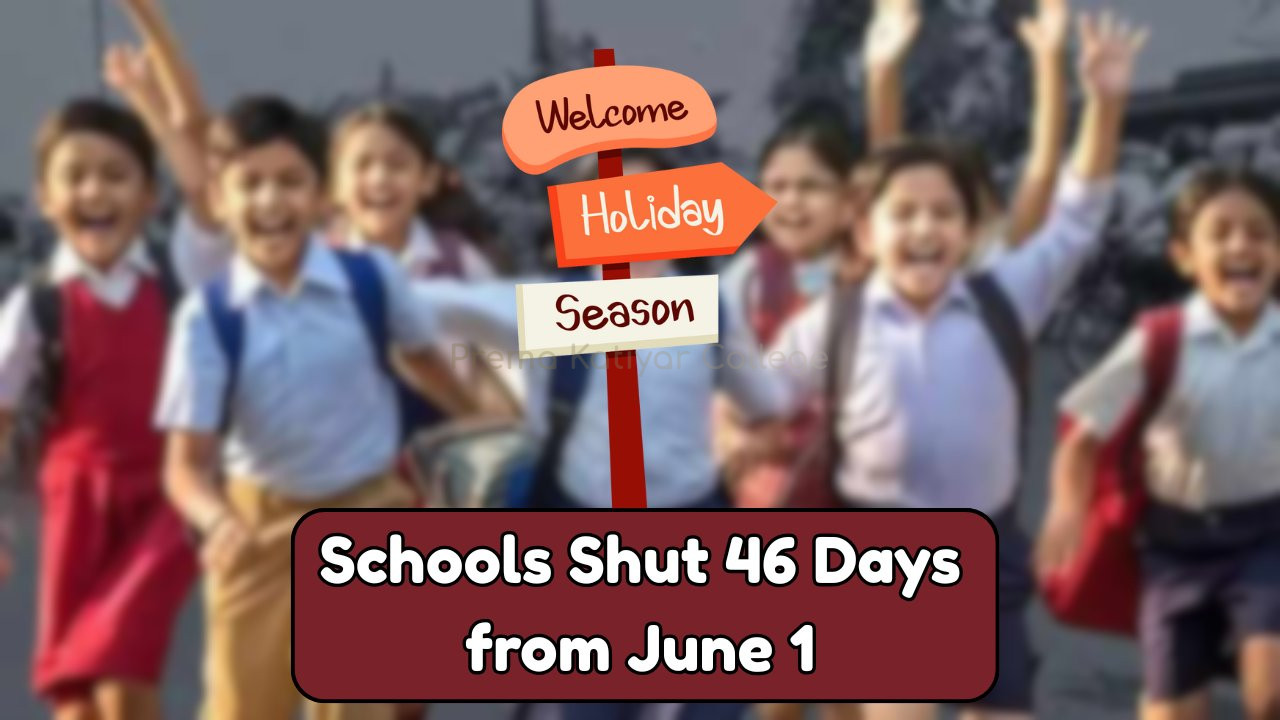
Schools Closing for 46 Days in India: As the temperature rises, schools across India are gearing up for their annual summer break. This year, all educational institutions will be closing their doors for a substantial 46-day holiday starting on June 1. This extended break is a welcome relief for students and teachers alike, providing a much-needed pause from the hectic academic schedule.
Parents and educators are keenly anticipating the break, which offers an opportunity for relaxation, travel, and summer activities. Here’s a detailed look at what this summer holiday means for students and families across the country.
 प्रॉपर्टी खरीदने-बेचने वालों के लिए जरूरी खबर – 2025 में रजिस्ट्री के नियमों में 4 बड़े बदलाव
Summer Holidays Schedule for Schools in India
The 46-day school closure is designed to help students recharge and prepare for the upcoming academic year with renewed energy. The holiday schedule also aligns with the peak summer months, optimizing the time for a break from studies.

- Duration of the Break: The holiday begins on June 1 and lasts until July 16.
- Why the Extended Break? This year’s extended closure is due to the scorching heatwaves that have been predicted to sweep across the nation.
- Many schools have planned summer camps to engage students in creative activities during the early weeks of the break.
- Some institutions are offering online summer learning programs to keep students academically active.
- Parents are encouraged to use this time to engage children in productive activities, ensuring a balance between rest and learning.
Activities for Students During the Break
With such a lengthy vacation, it is crucial for students to stay active and engaged. Here are some recommended activities:

Creative and Educational Activities
- Enroll in online courses or workshops to learn new skills.
- Participate in virtual summer camps focusing on art, music, or science.
- Engage in reading challenges to enhance literacy skills.
- Join sports or fitness programs to stay physically active.
Summer Camps and Workshops
Various organizations are offering camps and workshops tailored to different interests, ensuring that students have a productive break:
| Camp/Workshop | Focus Area | Age Group | Duration | Mode | Cost |
|---|---|---|---|---|---|
| Art and Craft Camp | Art | 6-12 years | 2 weeks | Online | INR 2000 |
| Science Explorers | Science | 10-15 years | 3 weeks | Hybrid | INR 3500 |
| Fitness and Sports | Sports | 8-16 years | 4 weeks | Offline | INR 2500 |
| Music and Dance | Performing Arts | 6-18 years | 3 weeks | Online | INR 3000 |
| Leadership Program | Leadership | 12-18 years | 2 weeks | Online | INR 4000 |
| Coding Bootcamp | Technology | 10-18 years | 4 weeks | Online | INR 4500 |
| Drama and Theatre | Drama | 8-18 years | 3 weeks | Hybrid | INR 3500 |
| Environmental Camp | Environment | 10-16 years | 2 weeks | Offline | INR 3000 |
Preparing for the New Academic Year
While enjoying the summer break, students and parents can also take steps to prepare for the next school year:
| Preparation Step | Description | Notes |
|---|---|---|
| Review Previous Year’s Material | Go through last year’s notes and textbooks. | Focus on weak areas. |
| Set New Academic Goals | Discuss and set realistic goals for the new year. | Include both academic and personal development goals. |
| Organize Study Space | Prepare a dedicated study area at home. | Ensure it is free from distractions. |
| Purchase Supplies Early | Buy textbooks and stationery ahead of time. | Avoid last-minute rush. |
| Plan a Balanced Routine | Create a schedule balancing study and leisure. | Include time for hobbies and family. |
| Attend Orientation Programs | Participate in school orientation if available. | Get familiar with new teachers and subjects. |
| Engage in Skill-building Activities | Join workshops that enhance skills relevant to new subjects. | Focus on communication and critical thinking. |
Benefits of a Long Summer Break
The extended summer break presents numerous benefits for students:
- Rejuvenation: A long break allows students to unwind and recharge.
- Family Time: Families can plan trips or activities to bond.
- Skill Development: Opportunities to learn new skills outside the classroom.
- Creativity: Time to explore hobbies and creative pursuits.
- Health: Focus on physical and mental well-being.
Challenges of the Long Break
Despite the benefits, there are challenges that come with a long summer break:

- Potential academic regression if students do not engage in learning activities.
- Increased screen time as children might turn to gadgets for entertainment.
- Logistical challenges for working parents managing child care during the break.
- Financial strain from enrolling children in summer programs or camps.
Ways to Overcome Summer Break Challenges
Overcoming these challenges requires planning and active involvement from parents:
- Encourage Structured Learning: Set aside daily time for reading or educational games.
- Limit Screen Time: Establish clear rules regarding gadget use.
- Explore Affordable Activities: Take advantage of community events or free workshops.
- Plan Family Schedules: Coordinate with family or friends for shared child care.
Parents’ Role During Summer Break
Parents play a crucial role in ensuring that their children have a balanced and enriching summer break:
Active Participation: Engage with children in their activities and projects.
Provide Resources: Ensure access to books, materials, and opportunities for learning.
Encourage Socialization: Facilitate playdates or group activities with peers.
Focus on Well-being: Monitor physical and emotional health, encouraging exercise and relaxation.
 फ्री राशन पाने वालों के लिए बड़ा अलर्ट – 2025 के नए नियमों के बाद इन लोगों का नाम लिस्ट से हटेगा
Celebrate Achievements: Acknowledge and reward accomplishments and progress.